... but aren't
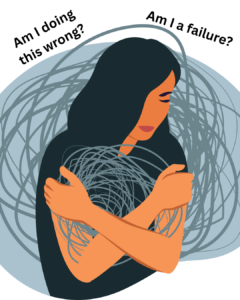
If you’re trying to improve your relationship with food, there’s a good chance you’ve had moments where you thought:
“I’m failing at this.”
Maybe you ate past fullness.
Maybe you wanted dessert after dinner.
Maybe you relied on convenience foods for the third night in a row.
And if you’ve spent years in diet culture, those moments can feel uncomfortable — even shameful.
But many of the things people label as “bad eating habits” are actually normal parts of eating and healing your relationship with food.
Here are a few things that feel like failure with food… but aren’t.
1. Eating Past Fullness Sometimes Isn’t Failure
One of the biggest misconceptions about intuitive eating is that “good eaters” always stop at the perfect level of fullness.
Real life doesn’t work that way.
Sometimes:
- food tastes really good
- you’re extra hungry
- you eat quickly
- meals are rushed or distracted
- you simply want more
Eating past fullness occasionally is part of normal eating behavior. It does not mean you lack willpower or that you’ve “failed” at intuitive eating.
Learning to trust yourself with food means allowing space for imperfect eating experiences without spiraling into guilt or restriction afterward.
Want to learn more about listening to your body’s hunger/fullness cues? Check out my previous post here.

2. Thinking About Food More After Restriction Isn’t Failure
If you notice yourself thinking about food all the time after dieting or restricting, you are not broken.
In fact, this is a very common biological response.
When your body senses restriction — whether physical or mental — your brain naturally becomes more focused on food. This can show up as:
- constant cravings
- food obsession
- difficulty concentrating
- urges to eat “forbidden foods”
- feeling out of control around food
This doesn’t mean you’re addicted to food.
Often, it means your body is trying to protect you from deprivation.
As you begin consistently nourishing yourself and letting go of food rules, those intense food thoughts often become quieter over time. If this is something you struggle with, check out my full post on this topic of thinking about food a lot after a diet restriction.
3. Wanting Dessert After Dinner Isn’t Failure
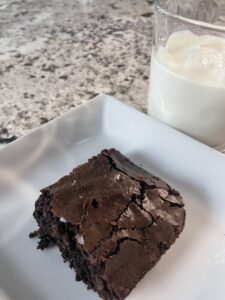
You do not need to earn dessert. And wanting something sweet after dinner does not mean you ate “wrong” earlier in the day.
Diet culture often teaches people to fear cravings or view dessert as a reward. But having a healthy relationship with food includes making room for both nourishment and enjoyment.
Food is not just fuel.
It is also satisfaction, comfort, culture, pleasure, and connection.
Removing shame around sweets can actually help reduce the intense “all-or-nothing” cycle many people experience with dessert. If this is something you experience a lot, check out my full post here on after-dinner cravings.
4. Needing Convenience Foods Isn’t Failure
You do not have to cook everything from scratch to be healthy.
Convenience foods can support nourishment, especially during busy, stressful, or exhausting seasons of life.
Pre-cut vegetables, frozen meals, protein bars, rotisserie chicken, bagged salads, canned soups, frozen rice, and takeout meals are all valid options.
Sometimes the “best” meal is simply the one you’re realistically able to eat.
5. Not Craving Salads All the Time Isn’t Failure
Your cravings do not determine your worth or health status.
There is nothing morally superior about craving salads over pasta, sandwiches, burgers, or comfort foods.
Many people have been conditioned to believe that “healthy eating” means constantly wanting light, low-calorie foods. But humans naturally crave a variety of foods for many different reasons — including satisfaction, comfort, energy needs, culture, memories, and enjoyment.
A healthy relationship with food is not about forcing yourself to want foods that feel “clean” or “good.”
It’s about learning to listen to your body without judgment.
Healing Your Relationship With Food Means Letting Go of Perfection
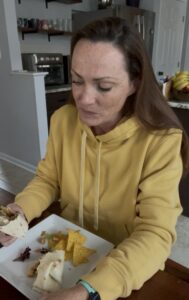
If you are working on intuitive eating or food freedom, there will likely be moments that feel uncomfortable.
That doesn’t mean you’re doing it wrong.
Many behaviors that feel like “failure” are actually:
- normal eating experiences
- responses to restriction
- signs that your body is trying to protect you
- opportunities to practice self-trust
You do not have to eat perfectly to have a healthy relationship with food.
Sometimes healing starts with realizing you were never failing in the first place.
Looking for Support With Your Relationship With Food?
If you’re tired of food guilt, all-or-nothing eating, or constantly feeling like you’re “messing up” around food, working with a registered dietitian can help.
At Ayala Nutrition, I help clients build a more balanced, sustainable relationship with food without rigid rules or dieting. Not sure what this could look like for you? Check out the different ways that I help clients:
- Self-paced nutrition course titled “Your Guide to Sustainable Nutrition”
- 6-week nutrition coaching program which includes weekly nutrition visits and email access between appointments.
- Single individual nutrition session to get your questions answered or see if we might be a good fit.