
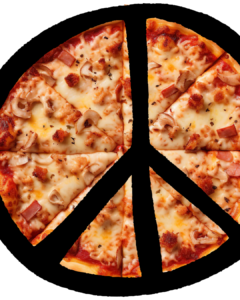
If you’ve spent years dieting, counting calories, tracking macros, following meal plans, or trying to stick to the latest set of food rules, you might not even know what a peaceful relationship with food looks like.
Maybe you’ve gotten so used to questioning your food choices that eating without a plan feels uncomfortable.
Maybe you find yourself negotiating with yourself over whether you’ve eaten too much, whether you’ve earned dessert, or whether you should skip breakfast tomorrow to make up for what you ate tonight.
Or maybe you’re just tired of thinking about food ALL. THE. TIME.
Here’s something I want you to know: Having a peaceful relationship with food doesn’t mean you stop caring about nutrition. It means food no longer controls your thoughts, decisions, or self-worth.
It’s a shift from constantly trying to control your eating to learning how to work with your body instead of against it. And while that might sound simple, it’s a process that takes time, practice, and a whole lot of unlearning. Let’s talk about what that actually looks like.

You Don't Categorize Foods as Good or Bad
A peaceful relationship with food means letting go of the idea that certain foods make you good and others make you bad.
You can eat a salad for lunch because it sounds delicious and satisfying. You can also eat a cheeseburger and fries because that’s what you’re craving. Neither choice says anything about your character, discipline, or worth as a person.
You begin to recognize that food serves different purposes. Sometimes you’re looking for nourishment. Sometimes you’re looking for satisfaction. Sometimes you just want a cookie because cookies are delicious. And all of those reasons are valid.
This doesn’t mean you stop considering nutrition. It means you stop using nutrition as a reason to judge yourself or restrict the foods you enjoy.

You Can Eat When You're Hungry Without Feeling Like You Need to Earn It
You don’t need to wait until you’re starving to justify eating. You don’t need to exercise first, eat fewer calories earlier in the day, or save up your food allowance for later.
A peaceful relationship with food means recognizing that hunger is a normal biological signal, not something you need to fight or overcome. It also means understanding that hunger doesn’t always show up at convenient times.
Maybe you’re hungry again two hours after lunch. Maybe you need an afternoon snack even though dinner is coming up. Maybe you wake up hungry and need breakfast before you’ve even had your coffee. That’s okay! Your body needs consistent nourishment. You don’t have to prove that you’re hungry enough to deserve it.

You Listen to Your Body Instead of Following a Set of Food Rules
Diet culture teaches us to look outside ourselves for answers: Follow this meal plan. Eat this many calories. Stop eating after this time. Don’t eat carbs after dinner. Make sure you hit your protein goal.
Eventually, you can become so focused on following external instructions that you lose touch with your own body’s needs. A peaceful relationship with food involves rebuilding that connection.
You start paying attention to questions like:
Am I physically hungry, or am I looking for comfort, enjoyment, or a break?
What sounds good to eat right now?
Am I feeling comfortably satisfied, or do I need more?
What foods help me feel energized and satisfied?
Do I need a snack because I’m going to be busy for the next several hours?
And here’s an important distinction: Listening to your body doesn’t mean you have to follow every hunger or fullness cue perfectly. Sometimes you’ll eat past comfortable fullness. Sometimes you’ll realize you’re hungry an hour after eating. Sometimes you’ll eat because something looks delicious even when you’re not physically hungry.
That’s part of being human. The goal isn’t to become a perfect intuitive eater. It’s to become more comfortable responding to your body’s needs without constantly second-guessing yourself.

You Can Enjoy Your Favorite Foods Without Feeling Out of Control
Have you ever told yourself you were only going to have one cookie, only to find yourself thinking about the other cookies sitting in the kitchen for the rest of the evening? Or maybe you’ve avoided buying your favorite snack because you know that once it’s in the house, you’ll want to eat all of it.
This is something I see often with people who have spent years restricting foods. When foods are labeled as off-limits, they can become even more appealing. You might find yourself thinking about them constantly, eating them quickly when you finally allow yourself to have them, or feeling like you need to get your fill before you go back to restricting.
A peaceful relationship with food means gradually removing that sense of urgency. You can have the chocolate. You can have the chips. You can have the dessert. You begin to trust that these foods aren’t disappearing tomorrow and that you don’t need to eat them all right now because another diet might be starting on Monday.
Over time, food becomes less emotionally charged. You can enjoy it without feeling like you’ve lost control or done something wrong.

You Can Make Nutritious Choices Without Obsessing Over Nutrition
Let’s clear something up: Having a peaceful relationship with food does NOT mean throwing nutrition out the window. You can absolutely care about getting enough protein, fiber, carbohydrates, fats, vitamins, and minerals while also enjoying all kinds of foods. The difference is that nutrition becomes something you consider rather than something you obsess over.
Instead of asking, “Is this meal good enough?” or “How many calories does this have?” you might start asking:
Does this meal have enough staying power to keep me satisfied?
Can I add a protein source to help make this meal more balanced?
Would some fruit or vegetables sound good alongside this?
Am I getting enough variety in the foods I’m eating?
What would make this meal more enjoyable and satisfying?
You begin to see balanced nutrition as something you can build into your eating patterns without needing every single meal to be perfectly balanced. Sometimes lunch is a beautiful, balanced meal with all the food groups represented. Sometimes lunch is a grilled cheese sandwich and some fruit.
Both can fit into a nourishing way of eating. The goal is consistency and flexibility, not perfection.

Food Takes Up Less Space in Your Brain
Perhaps one of the biggest signs that your relationship with food is becoming more peaceful is that you simply think about it less.
You aren’t spending your morning planning what you’re allowed to eat for the rest of the day. You’re not mentally calculating calories while looking at a restaurant menu. You’re not replaying everything you ate yesterday and deciding what you need to do differently today.
Food becomes one part of your life instead of the center of it. You can go out to dinner with friends and enjoy the conversation without obsessing over the menu. You can keep your favorite snacks in the pantry without feeling like they’re calling your name every five minutes. You can enjoy a vacation without worrying about how you’ll get back on track when you get home. And perhaps most importantly, you can make food decisions without attaching guilt, shame, or your self-worth to every single one.
That’s food freedom.
Here's the Thing: You Don't Get There Overnight
If you’ve spent 10, 20, or 30 years dieting, following food rules, and trying to control your eating, you’re not going to undo all of those habits in a week. And you don’t need to.
Learning to eat in a more peaceful way is a process of unlearning old beliefs and replacing them with new skills. You might start by allowing yourself to eat a previously forbidden food without guilt. Then you might work on recognizing hunger and fullness cues. Maybe you begin eating more consistently throughout the day instead of skipping meals to save calories.
Eventually, you start incorporating balanced nutrition without needing to track every bite or follow a rigid meal plan.
There will be moments when old diet mentality creeps back in. You might find yourself feeling guilty after eating more than usual. You might question whether you’re eating too many carbohydrates. You might feel uncomfortable when you stop tracking your food.
That’s not failure. It’s an opportunity to recognize those old patterns and practice responding differently. You are learning a new way of doing something you’ve been taught to approach very differently for years. Give yourself some grace.
Progress might look like eating dessert without compensating the next day. It might look like adding a satisfying afternoon snack instead of trying to ignore your hunger. It might look like making a balanced meal without opening a calorie-tracking app.
Those small shifts matter. And they add up.

Ready to Build a More Sustainable Relationship With Food?
If you’re tired of jumping from one diet to another, constantly questioning your food choices, or feeling like you need a set of rules to tell you how to eat, I want you to know that there’s another way.
You can nourish your body, enjoy the foods you love, and build balanced eating habits without tracking every bite or following another restrictive meal plan.
That’s exactly why I created Your Guide to Sustainable Nutrition.
This course is designed to help you move away from dieting mentality, rigid food rules, and tracking, and toward a more flexible and sustainable approach to eating.
Inside, we’ll focus on helping you:
Recognize and challenge the diet mentality and food rules that influence your eating.
Reconnect with your body’s hunger, fullness, and satisfaction cues.
Develop a more flexible approach to deciding what, when, and how much to eat.
Understand how to build balanced meals and nourish your body without obsessing over every detail.
Create eating habits that support your health while leaving room for flexibility, enjoyment, and real life.
You don’t have to choose between taking care of your health and enjoying food. You don’t have to spend the rest of your life tracking, restricting, or trying to eat perfectly. And you certainly don’t have to figure it all out overnight. You just need the right tools, some guidance, and the willingness to start doing things differently.
Your relationship with food can feel different. And you deserve to experience what that feels like.
Explore Your Guide to Sustainable Nutrition
Here’s to less food guilt, fewer rules, and a whole lot more food freedom!