
It’s 1PM.
Someone casually says, “All I’ve had today is an apple and a handful of almonds.”
Meanwhile, you’ve already eaten two or three times… and you might even be thinking about your next snack.
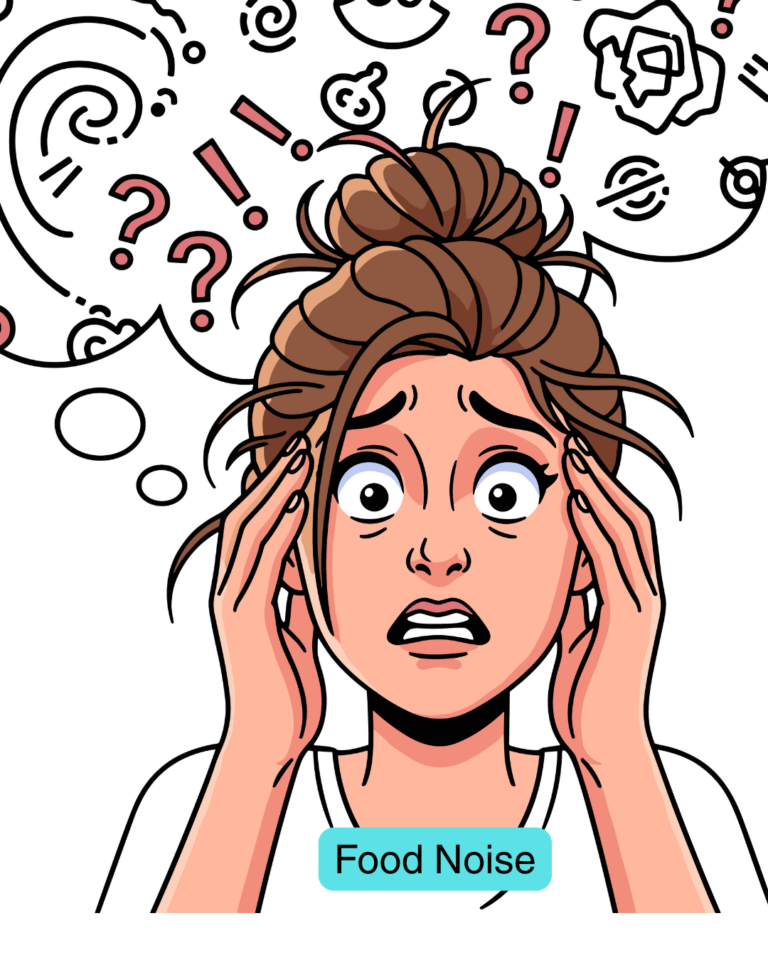
And if you’re being honest, a tiny voice in your head might whisper:
“Am I eating too much?”
Let’s clear that up right now:
You’re not eating too much. You’re likely eating appropriately for your body.

Everyone’s Needs Are Different (But Undereating Is Very Common)
One of the biggest myths in wellness culture is that less food = better.
But the truth is:
- Different bodies have different energy needs
- Your metabolism, activity level, stress, sleep, and hormones all matter
- Chasing someone else’s intake is a fast track to feeling terrible
Yes, some people can get through half a day on very little food.
But that doesn’t mean they’re:
- feeling energized
- focused
- emotionally regulated
- or even meeting their body’s needs
And it definitely doesn’t mean you should try to do the same.
What Happens When You Don’t Eat Enough During the Day
For many busy moms (and honestly, most humans), under-eating early in the day doesn’t just “work itself out.” It usually shows up later.
You might notice:
- Intense afternoon energy crashes
- Feeling irritable or “hangry”
- Constant thoughts about food
- Grabbing whatever is quickest (not what actually satisfies)
- Nighttime sugar cravings
- Feeling out of control around snacks at night
This isn’t a lack of willpower.
This is your body doing its job.
When you don’t get enough fuel earlier, your body will push you to make up for it later—often in ways that feel chaotic or frustrating.
Why Eating More Earlier Can Help You Feel More in Control Later
One of the most effective (and underrated) strategies for reducing nighttime overeating?
👉 Eating enough during the day.
That means:
- Not skipping meals
- Eating every 3–4 hours
- Including carbs, protein, and fat (not just “light” foods)
- Letting meals actually be satisfying—not just “holding you over”
When your body trusts that food is coming regularly, everything starts to feel more stable:
- Energy improves
- Focus gets easier
- Cravings feel less urgent
- Even nighttime eating becomes more intentional instead of reactive

But What If You’re Used to Eating Very Little?
If you’re someone who’s been:
- dieting
- “trying to be good”
- or just too busy to eat consistently
…then eating more during the day might feel uncomfortable at first.
You might worry:
- “This is too much food”
- “I’m going to gain weight”
- “I shouldn’t be this hungry”
Those thoughts are common—but they’re not a reliable indicator of what your body actually needs.
Instead of jumping from “barely eating” to “perfectly balanced meals,” start small:
- Add a mid-morning snack
- Make lunch more filling
- Stop waiting until you’re starving to eat
The Bottom Line
If someone else can make it to 1PM on an apple…
Cool.
But if you feel better eating three times before then?
👉 That’s not a problem.
👉 That’s your body asking for what it needs.
And honoring that is one of the most important steps toward:
- more energy
- fewer cravings
- and a more peaceful relationship with food
Check out more info on working with me 1:1 for more support on your journey to food peace!